Archives & Libraries
The institutions preserving the documentary heritage of the Diocese of Macau
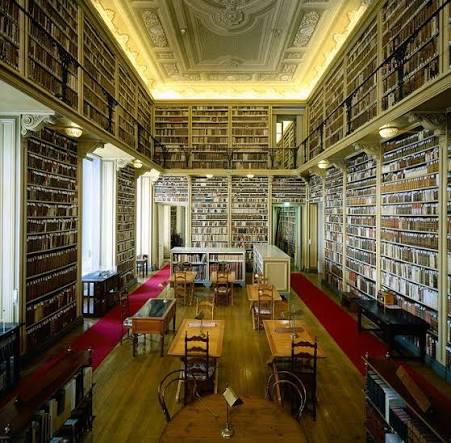
Biblioteca da Ajuda
Portugal
The Biblioteca da Ajuda, established in 1880 within Lisbon's National Palace of Ajuda, is one of Portugal's oldest and most prestigious libraries. It serves as the direct custodian of the surviving Royal Library (Livraria Régia), which dates back to the 15th century. The library's history is marked by profound resilience and global impact. After the catastrophic 1755 Lisbon earthquake destroyed the original collection, King Joseph I painstakingly rebuilt the archive. In 1811, during the Napoleonic invasions, the entire library accompanied the Portuguese royal family to Rio de Janeiro, eventually forming the foundational core of the National Library of Brazil. The manuscript collection returned to Portugal in 1821 and was later enriched by secularized religious archives.Today, the library holds over 150,000 volumes spanning from the 12th to the 21st centuries. Its most celebrated treasure is the Cancioneiro da Ajuda, a priceless 13th-century illuminated manuscript featuring medieval Galician-Portuguese courtly love poetry. It also preserves the rare Jesuits in Asia collection, which offers vital historical insights into early European missions in Macau and Japan, alongside an exceptional 3,000-piece collection of 18th- and 19th-century musical scores.Architecturally, the historic library spans five monumental rooms adorned with floor-to-ceiling wooden bookshelves and spectacular trompe-l'œil ceiling frescoes. While tourists can admire portions of its historic architecture, the Reading Room remains a highly functional research hub. It is open Monday through Friday for registered researchers and historians exploring its vast cartographic, iconographic, and manuscript collections.
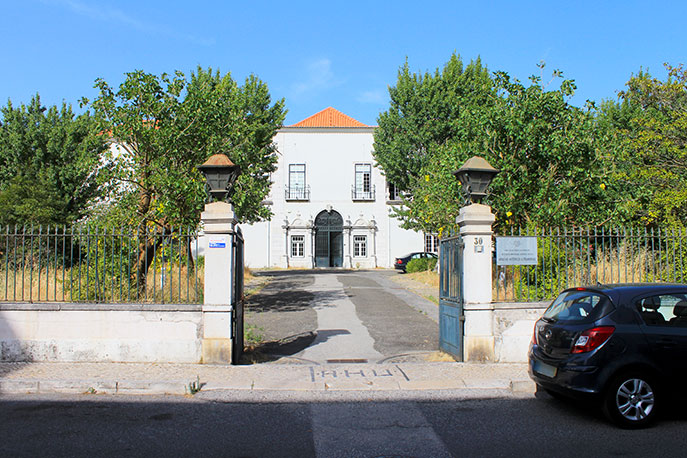
Arquivo Histórico Ultramarino
Portugal
Established in 1931 as the Arquivo Histórico Colonial under Portugal’s Ministry of Colonies, the institution—renamed the Arquivo Histórico Ultramarino (AHU) in 1951—was designed to centralize, catalog, and preserve documents spanning centuries of Portuguese imperial history. Set against the backdrop of the Salazarist Estado Novo regime, the archive served as a central instrument for state-driven heritage building, providing the administrative and historical infrastructure necessary to project and centralize imperial power from Lisbon.Despite its grand mandate to unify all colonial records under one roof at the Palace of Ega, the institution faced immediate administrative hurdles. Its creation sparked intense jurisdictional rivalries with established cultural bodies, including the Biblioteca Nacional de Lisboa and the Arquivo Nacional da Torre do Tombo, over the rightful ownership of vital historical collections such as the Conselho Ultramarino papers. Managing document flows across vast oceanic distances posed additional administrative complexities, prompting the archive to adopt emerging technologies like microfilming to bridge gaps where original records were retained overseas or lost.Throughout the tenure of leadership figures such as Manuel Múrias and Alberto Iria, the institution perpetually struggled with spatial shortages and an overwhelming influx of modern bureaucracy. These physical constraints forced ongoing internal debates over what fundamentally constituted a historical document versus a modern administrative record. Ultimately, the AHU functioned as a vital pillar of the metropolitan imperial state, continually balancing the need for scholarly access against the regime's strict impulses for centralized control.
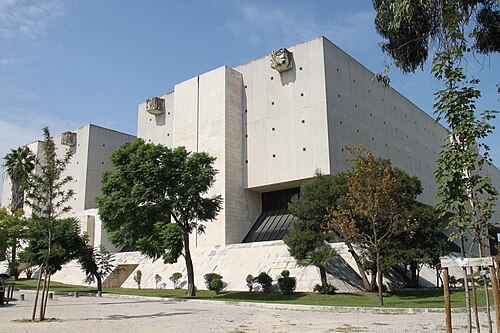
Arquivos Nacionais da Torre do Tombo
Portugal
The Portuguese National Archives, Torre do Tombo, in Lisbon stands as one of the oldest and most significant archival institutions in the world. Established around 1378 and originally housed in a tower of the Castle of São Jorge, the archive now resides in a modern, purpose-built facility at the University of Lisbon. As Portugal’s central historical repository, it safeguards over twelve centuries of history spanning from the 9th century to the modern day. Its vast collections encompass royal decrees, inquisitorial trials, state administrative records, and world-renowned manuscripts registered under UNESCO’s Memory of the World program.Beyond its national scope, Torre do Tombo holds an indispensable treasure trove of primary sources documenting Portugal's maritime expansion, the diplomatic reach of the Estado da Índia, and Catholic missionary efforts under the Portuguese Padroado (Royal Patronage) across Asia. Central to this global legacy is Macau, which served as a crucial trade and religious gateway for the Far East. The archive houses the celebrated Chapas Sínicas collection, consisting of thousands of Qing Dynasty official documents and correspondence exchanged between Chinese and Macanese authorities. Alongside these municipal records lie the extensive archives of religious orders, most notably the Cartório Jesuítico, filled with letters, dispatches, and reports written by Jesuit missionaries in China, Japan, and India. Together with royal directives and viceregal dispatches from the Corpo Cronológico, these documents offer an unprecedented, firsthand narrative of early modern East-West cultural encounters, religious missions, and regional trade networks.
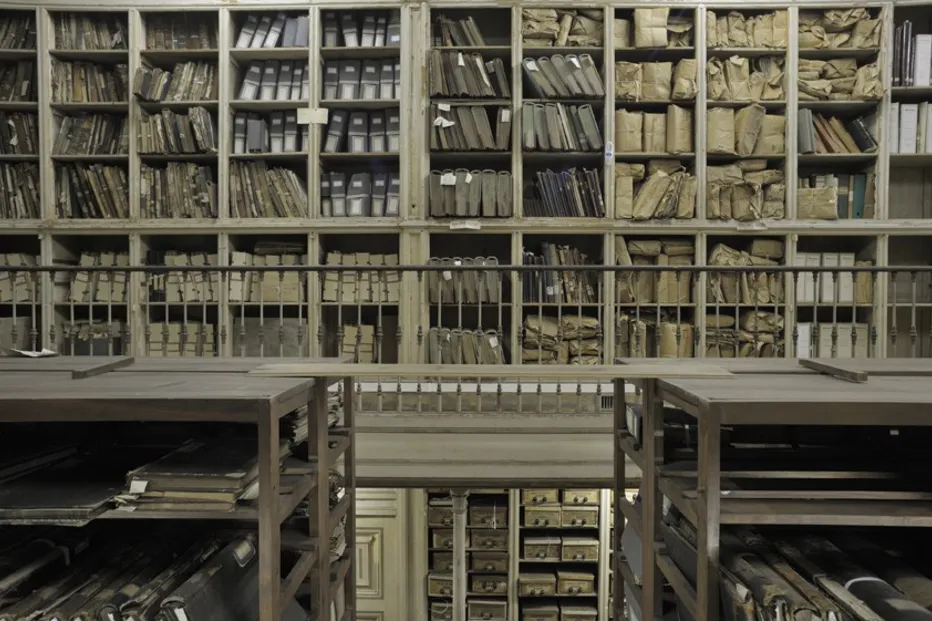
Arquivo Diplomático e Biblioteca do Ministério dos Negócios Estrangeiros
Portugal
The Portuguese Diplomatic Archive, managed by the Diplomatic Institute under the Ministry of Foreign Affairs (MNE), is responsible for preserving and providing access to permanent documentation detailing Portugal's foreign policy since the restoration of independence in 1640. Its historical archives span approximately 5,000 linear meters and comprise three primary collections: MNE records from internal and external services (including embassies, consulates, and international missions), treaties and international acts dating from 1839 to the present, and acquired personal archives of notable diplomats and politicians such as Franco Nogueira and Andrade Corvo. Additionally, it houses inherited documents from the former Ministry of Overseas Territories. Historically, the archive traces its origins to the 1736 creation of the Secretary of State for Foreign Affairs and War. Significant portions of early records were lost in the 1755 Lisbon earthquake. Over the centuries, institutional reorganizations and conflicts caused further documentation loss and fragmentation, leading to major transfers of records to the National Archive Torre do Tombo, including a large-scale transfer in 1950 for documents dating up to 1850. Initially restricted to administrative use, the archive opened to historical research in 1921, with public reception services established in 1965. Portugal's entry into the European Union accelerated public access, leading to a formalized consultation system in 1986. A 1987 regulation established a 30-year rule for document consultation, officially renamed the institution as the Diplomatic Historical Archive, and created the Selection and Declassification Commission to manage its extensive heritage.
Goa Historical Archives
India
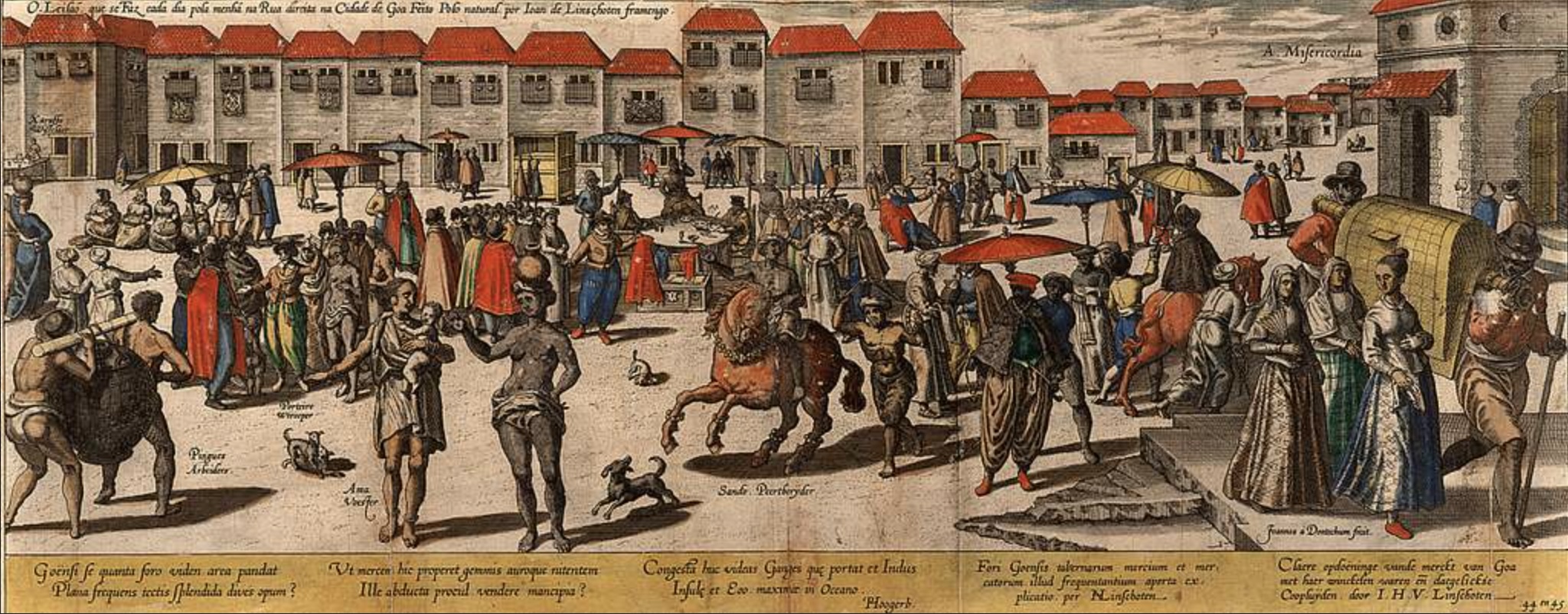
The Goa Archives, established formally with its roots tracing back to February 13, 1602, is one of the oldest archival repositories in India. Its earliest record books date back to 1498, with regular documentation starting from 1530. Originally founded in Old Goa to safeguard village registers and official records under early chroniclers like Diogo do Couto and Antonio Bocarro, it evolved through various names and administrative restructures before becoming a centralized repository in Panaji following the liberation of Goa. Today, the archive houses an extensive collection of over 3.5 lakh files and record books. About 98% of these historical documents are written in Portuguese, serving as a vital repository for colonial history spanning a region from Egypt to Australia. The collections include highly significant series such as *Moncoes do Reino*, *Cartas Patentes*, and *Reis Vizinhos*, detailing the maritime, administrative, economic, and religious activities of the Portuguese, as well as their relations with neighboring regions and other colonial powers like the Dutch, French, and English. Managed alongside an archaeology unit, the department features modern preservation and laboratory facilities for chemical lamination and deacidification, a reprographic section producing thousands of microfilms and photocopies monthly, and a dedicated publication wing that prints the research journal *Purabhilekh-Puratatva*. Recognized as a post-graduate research institution, the Goa Archives provides invaluable primary source material for reconstructing world and European history, particularly concerning the Iberian Peninsula, Africa, and South Asia.
Biblioteca Pública de Évora
Portugal
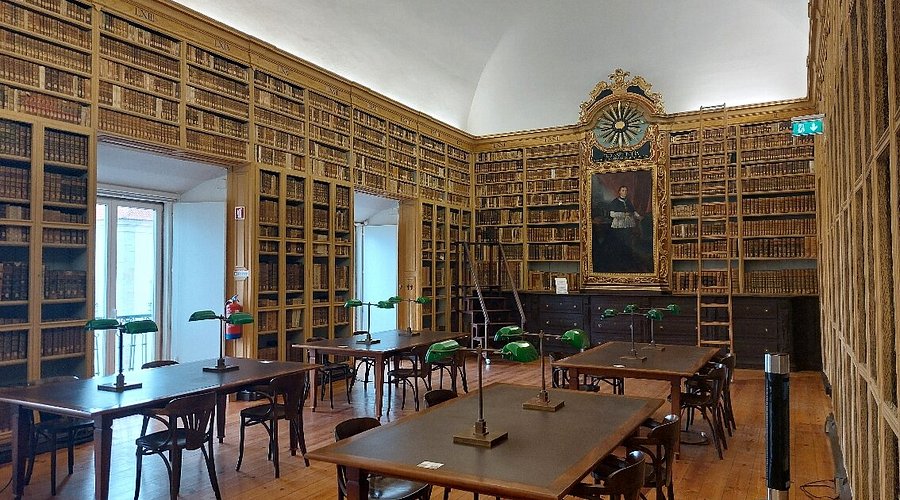
The Évora Public Library) located in the historic Alentejo region of Portugal, is one of the nation's oldest, richest, and most prestigious cultural institutions. Founded in 1805 by Archbishop D. Frei Manuel do Cenáculo—a prominent figure of the Portuguese Enlightenment—the library was established to foster public knowledge and education. Archbishop Cenáculo laid the institution's groundwork by donating his own monumental collection of roughly 50,000 books. The library is housed in a building steeped in its own historic significance. Constructed in 1656 on the remnants of Évora's ancient castle, the structure originally served as the *Colégio dos Moços do Coro da Sé* (a college for the cathedral's choir boys). Today, the library holds an extraordinary collection that has grown to over one million volumes. It is celebrated for its rare and priceless treasures, including 664 incunabula (books printed before 1501), more than 6,400 printed works from the 16th century, and extensive collections of historical manuscripts, cartography, and antique musical scores. Its rapid growth over the past century was heavily accelerated by its designation as a recipient of the *Depósito Legal* (Legal Deposit) in 1931, requiring Portuguese publishers to send copies of all new publications to the repository. Successfully bridging centuries of intellectual heritage with the digital era, the library modernized its services for its bicentennial in 2005 by launching its first online public catalog. It remains a vital pillar of research, preservation, and community education within a UNESCO World Heritage city.
Biblioteca Nacional
Portugal
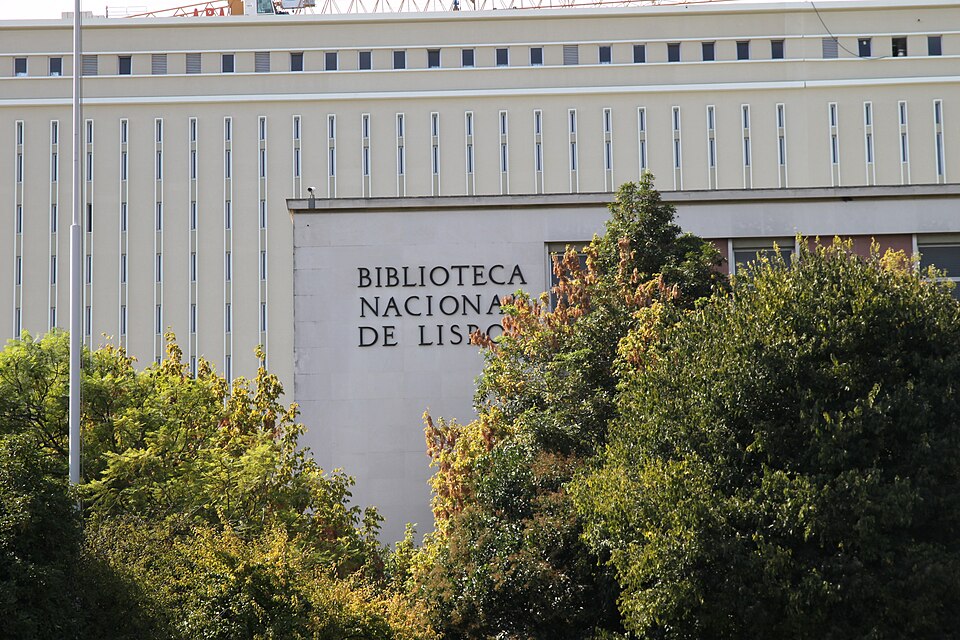
The National Library of Portugal, located in Lisbon, is the country’s largest library and the primary guardian of its bibliographic heritage. Founded on February 29, 1796, as the Royal Public Library of the Court, its initial purpose was to grant the public access to royal collections, breaking the tradition of restricting such treasures to scholars. Following the Liberal victory and the abolition of religious orders in 1834, the institution was renamed the National Library of Lisbon and inherited vast monastic collections. To accommodate this massive expansion, it relocated to the Convento de São Francisco. In 1969, the library moved into its current purpose-built facility in the Campo Grande area, designed by architect Porfírio Pardal Monteiro. It was officially renamed the Biblioteca Nacional de Portugal in 2007. Today, the BNP is responsible for collecting, processing, and preserving Portugal's documentary heritage through the legal deposit system, which mandates that a copy of every published work in the country be submitted to the library. Its extensive holdings include a General Collection of over three million items ranging from the 16th to the 21st centuries, rare manuscripts dating back to the 11th century, unique cartographic items, iconographic materials, and music scores. The library operates the National Bibliographic Database (PORBASE) and features the National Digital Library (BND) to make its vast collections globally accessible online. It also provides specialized resources like the Accessible Reading Service, ensuring equitable access for visually impaired individuals.
Macau Scientific and Cultural Centre
Portugal
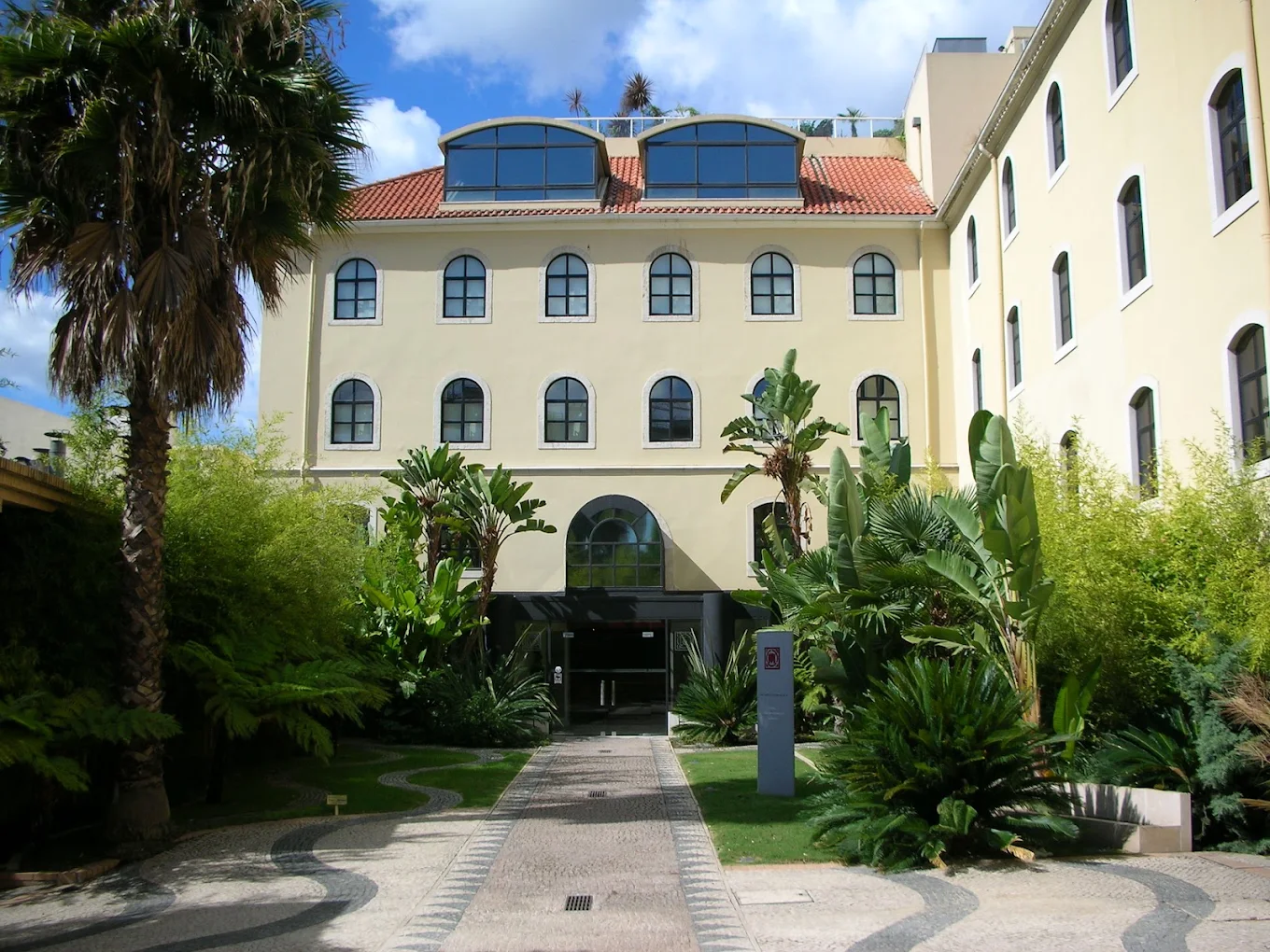
The Centro Científico e Cultural de Macau (CCCM), located in Lisbon, Portugal, is a public international institute dedicated to promoting cultural, scientific, and academic cooperation between Portugal and Macao, as well as the wider Asian region. Operating under the Portuguese Ministry of Science, Technology and Higher Education, it serves as a bridge for Euro-Asian dialogue, research, and education.
The institute’s activities are centered around three main pillars: research, a museum, and a specialized library. The CCCM actively hosts and participates in international conferences, such as the upcoming 6th Annual Conference of Macau Studies 2026, which centers on Macau’s historical and contemporary role as an international hub.
The [CCCM Museum](https://www.cccm.gov.pt/museu/) showcases distinct collections of Chinese art, Portuguese-Asian trade objects, and historical artifacts that illustrate centuries of cultural interaction between Portugal and China. It operates from Tuesday to Sunday, welcoming researchers and the general public alike.
Complementing the museum, the [CCCM Library](https://www.cccm.gov.pt/biblioteca/) is a specialized resource center housing extensive documents, books, and the Portuguese Asian Archives. It provides researchers with access to materials detailing Sino-Portuguese relations and Asian history, open throughout the workweek.
Through its editorial policies, academic courses, and language training, the CCCM functions as an educational platform. By funding research projects, producing publications, and preserving historical archives, the center ensures that the unique shared heritage of Portugal and Macao continues to be studied and celebrated internationally.
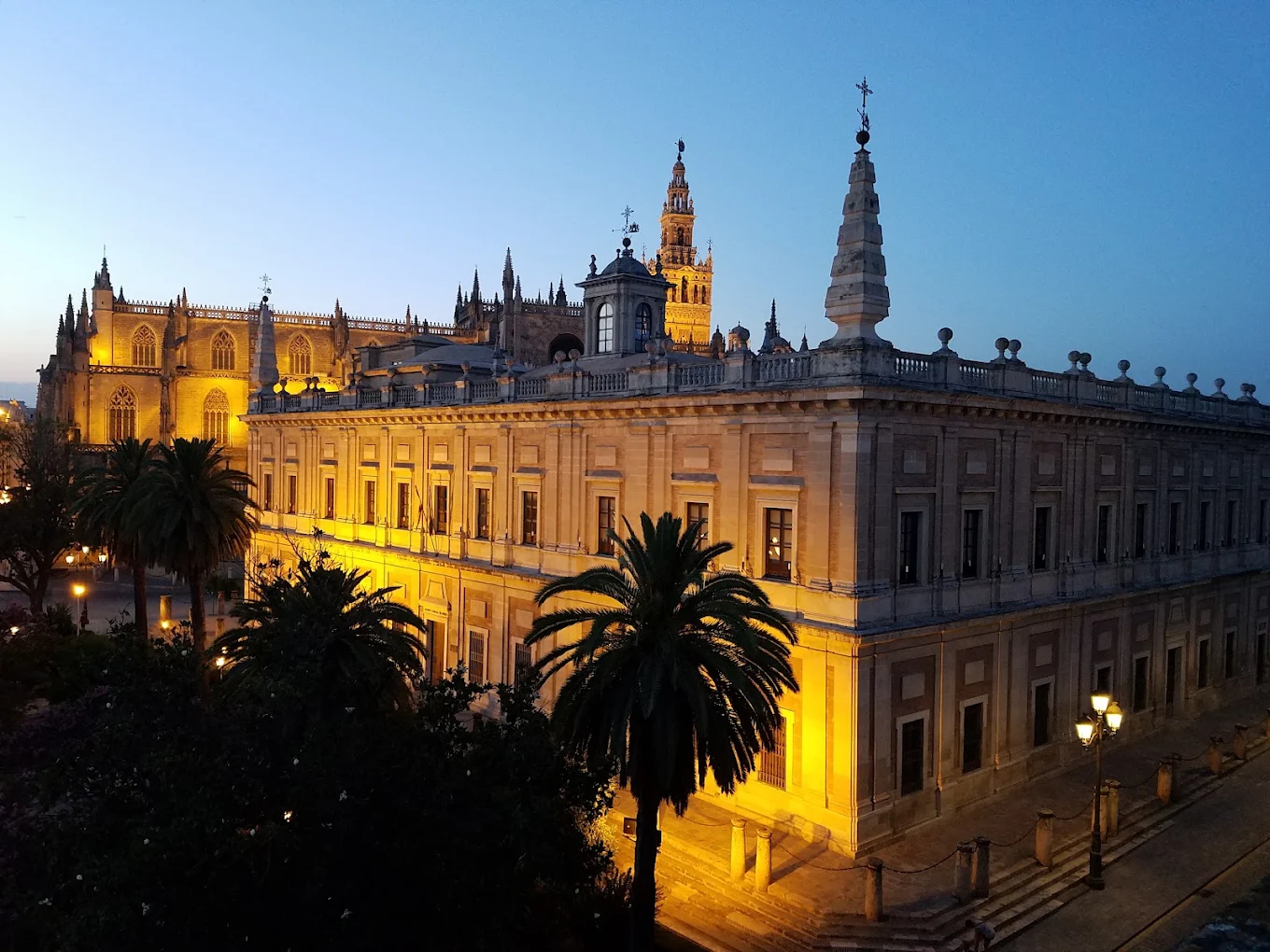
Arquivo Geral das Índias - Sevilha
Spain
The [Archivo General de Indias](https://www.cultura.gob.es/cultura/areas/archivos/mc/archivos/agi/presentacion.html) (General Archive of the Indies) in Seville, Spain, is a vital historical institution that primarily safeguards the documentary heritage produced by the Spanish administration for governing its overseas territories in the Americas and Asia. Established to centralize the archival records of the Spanish Empire, it serves as the foremost repository for researchers studying colonial history, transatlantic trade, and global administration from the 15th to the 19th centuries.
According to the official site, the archive fundamentally customizes and protects files generated by key institutions created by the Spanish Crown. These include the Council of the Indies (Consejo de Indias), the Secretariats of State (Secretarías de Despacho), the House of Trade (Casa de la Contratación), and the Merchant Guilds (Consulados) of Seville and Cádiz. Beyond these institutional records, the repository also preserves documents from private individuals and other entities connected to the former Spanish colonies.
The primary mission of the Archivo General de Indias is the long-term preservation of these historical collections. Through systematic organization and continuous description of its holdings, the archive works to facilitate public access and promote the dissemination of its rich historical content to citizens and international researchers alike. Housed in an iconic Renaissance building originally designed as a merchants' exchange (the Casa Lonja de Mercaderes), the archive is recognized globally for its cultural significance, serving as an irreplaceable bridge to the shared history of Spain, the Americas, and the Philippines.
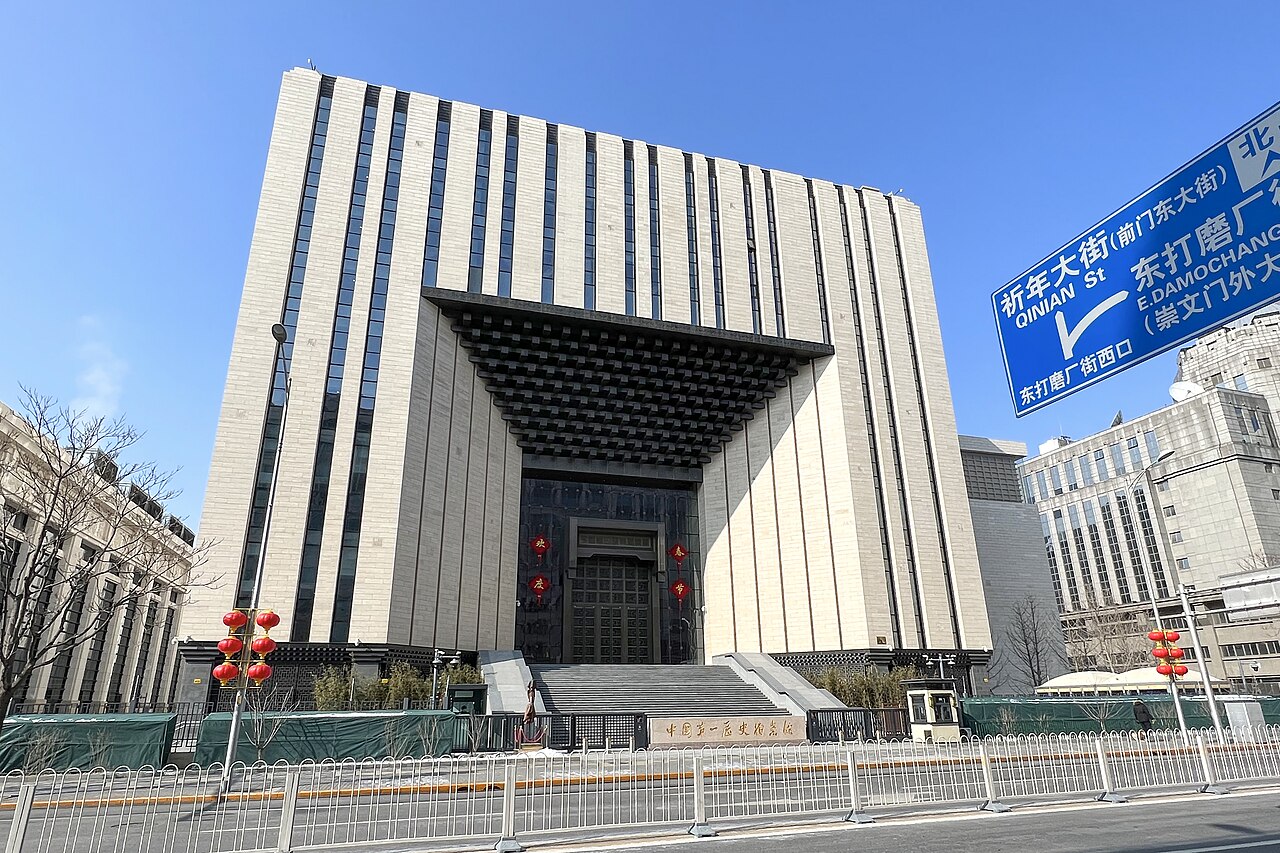
中国第一档案馆
China
Established in 1925, **The First Historical Archives of China (FHAC)** is a central national archive operating under the National Archives Administration of China in Beijing. It serves as the primary repository for imperial government documents from the Ming and Qing dynasties, alongside earlier historical periods, preserving China's rich institutional memory.
The institution originated as the Library Department of the Palace Museum following its founding in 1925. After 1949, management transferred to the central government, eventually integrating into the Central Archives system in 1955. Over the decades, FHAC achieved major milestones: it opened access to foreign scholars around 1980, cataloged its vast collection, and launched a major document digitization program in 2006. In July 2022, the archives expanded into a new modern facility on Qinian Street in Dongcheng District, Beijing.
FHAC holds approximately 10 million historical documents, accounting for roughly half of mainland China's total Qing-era archives. While 80% of the collection is written in Chinese and 20% in Manchu, it also contains over 50,000 Mongolian texts alongside records in other minority languages and foreign tongues like French, English, Russian, and Japanese. Today, the archives makes most of its collections accessible to Chinese and international researchers, offering online catalog searches for 44 of its 77 collection groups. In contrast, records from the Republic of China period (1912–1949) are housed separately at the Second Historical Archives of China.
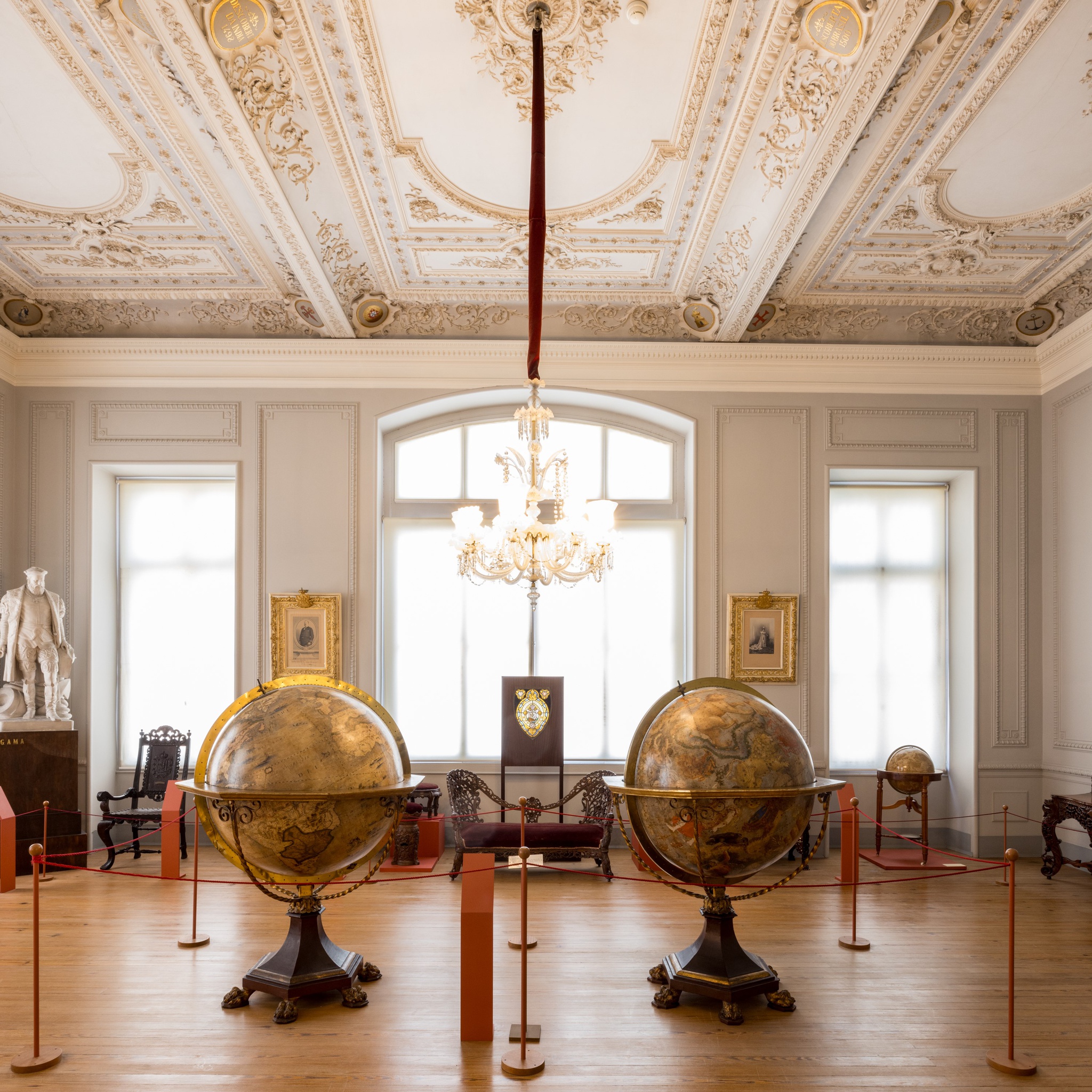
Biblioteca da Sociedade de Geografia de Lisboa
Portugal
Founded alongside the institution in **1875**, the **Biblioteca e Cartoteca da Sociedade de Geografia de Lisboa (SGL)** is one of Portugal's most significant specialized research libraries. Located in central Lisbon, it serves as an indispensable repository for geographical, cartographic, historical, and travel research.
The library's extensive catalog comprises nearly 90,000 cataloged records, encompassing over 37,000 monographs, thousands of specialized periodicals, and rare manuscripts. Its collection grew rapidly through acquisitions and major historical donations, including the transfer of holdings from the former *Comissão Central Permanente de Geografia* (1880), the *Associação Marítima Colonial*, and the personal library of the Marquês de Lavradio. A highlight of the collection is its priceless archives (*espólios*) and field journals belonging to renowned 19th- and 20th-century Portuguese explorers, including Hermenegildo Capelo, Roberto Ivens, Serpa Pinto, Silva Porto, Henrique de Carvalho, and aviator Gago Coutinho.
Complementing the library is its renowned **Cartoteca** (Map Library), which preserves over 6,000 cartographic items. This includes roughly 5,200 printed maps, hundreds of hand-drawn manuscript maps, and rare historical atlases dating back to the 16th century, featuring masterpieces attributed to cartographers such as Giovanni Agnese and João Teixeira.
Today, the library remains an active hub for international scholars and researchers. Although materials are strictly restricted to in-person consultation in its reading room on Rua das Portas de Santo Antão, access is supported by an online digital archive and searchable catalog.
國立故宮博物院 ⋈ 清代檔案檢索系統
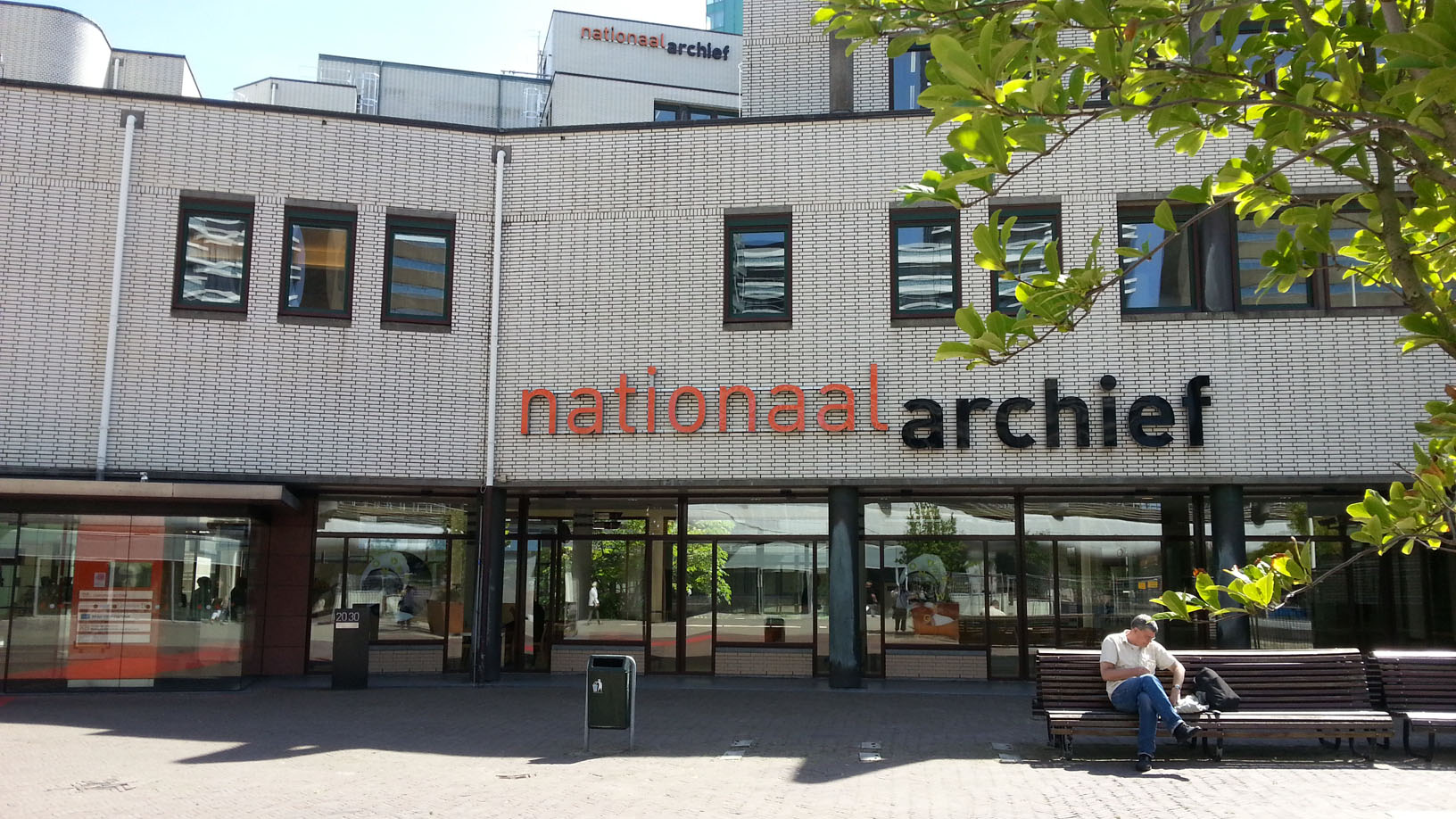
Netherlands National Archives
Netherlands
Founded in 1802 and based in The Hague, the National Archives of the Netherlands (Nationaal Archief) stands as the nation's largest memory institution. Housing over 137 kilometers of paper records, millions of photographs, and extensive digital collections, it safeguards centuries of Dutch political, cultural, and administrative history, including the primary records of the central government and the province of South Holland.Among its most celebrated holdings are the historical archives of the Dutch East India Company (VOC), which operated from 1602 to 1795 and are inscribed on UNESCO’s Memory of the World Register. These extensive logs, letters, and administrative documents detail the company’s expansive maritime trade and colonial operations across Asia and Africa.Crucially, these records capture the VOC’s intense strategic rivalry and encounters with Portuguese-controlled Macao during the seventeenth century. As the Dutch sought to break Portugal’s trade monopoly in the Far East, company archives documented key naval conflicts in the region, including the 1603 capture of a Portuguese carrack off the coast of Macao, which provided immense capital for the nascent company. Furthermore, preserved ship logs and daybooks record the VOC’s ambitious diplomatic efforts and military maneuvers in the region, most notably their full-scale naval assault on Macao in 1622 during an attempt to force direct commercial ties with China. Together, these historical treasures offer an extraordinary window into early modern global trade and the dynamic geopolitical conflicts centered around Macao.
Arquivo Geral de Simancas - Valladolid
National Archives
Thailand
Biblioteca da Academia das Ciências de Lisboa
Arquivos Nacionais de França
Biblioteca Nacional de Paris
Arquivo Histórico da Diocese de Macau
Internet Archive
Biblioteca Nacional - Madrid
USJ Library
University of Saint Joseph
Arquivo Histórico Nacional Madrid
Biblioteca Nacional do Rio de Janeiro
Bayerische Staatsbibliothek
Arquivo de Macau
Arquivo da Sagrada Congregação da Propaganda Fide
Arquivos Eclesiásticos
Archivum Romanum Societatis Iesu
Museu Britânico
Apostolic Archives
Biblioteca Pública e Arquivo Distrital de Leiria
中國國家圖書館
中國國家圖書館 (National Library of China)
Google Books
USJ Library
Biblioteca da Universidade de Coimbra
ProQuest
SOAS - University of London
Arquivos Militares
USJ Library - Ilha Verde
CCCM
Crossref
Biblioteca Real Dinamarca
Museu Marítimo da Dinamarca
Museu Marítimo de Troense
Google Scholar
Museu Marítimo do Príncipe Hendrik - Roterdão
Open WorldCat
Taylor and Francis+NEJM
USJ
Boston Ricci Institute
Maryknoll Sisters
YouTube
bnf.fr
uc.pt
ucp.pt
ul.pt
sdum.uminho.pt
unl.pt
academia.edu
Arquivo da RTP
ASCMPL-Arquivo da Santa Casa da Misericórdia de Ponte de Lima
Arquivo
Arquivo Histórico Nacional - Madrid
National Archives
National Library
Bibliothèque nationale de France
Museu Nacional Dinamarca
Estudo Geral - Repositório científico da Universidade de Coimbra
Archives Nationales d'Outre-mer
Catholic Diocesan Archives
K10plus ISBN
Library of Congress ISBN
Macao Central Library (Sir Robert Ho Tung)
Arquivos de Macau
Archivo General de la Nación
Biblioteca de Koninklijh
Museu Etnológico do Estado
Museu Nacional da Holanda
Arquivo Contemporâneo do Ministério das Finanças
Universidade Católica Portuguesa. Centro de Estudos de História Religiosa
Universidade do Porto
ProQuest Dissertations & Theses Global
Repositório da Faculdade de Letras da Universidade de Lisboa
ResearchGate
Biblioteca Universitária de Valência
Biblioteca do Palácio Nacional - Madrid
The First Historical Archive of China
Central Intelligence Agency (CIA)
Princeton Theological Seminary Library
Universidade Católica Portuguesa - Institutional Repository
Biblioteca Digital da Faculdade de Letras
University of Waterloo
Apostolic Library
uniovi.es
staatsbibliothek-berlin.de
sib.uc.pt
ub.uni-koeln.de
oapen.
lib.umassd.edu
library.ubc.ca
ufjf.br
up.pt
ual.pt
ulisboa.pt
ucm.es
ucp.pt
e3s-conferences.
51-VI-7