Biblioteca Nacional
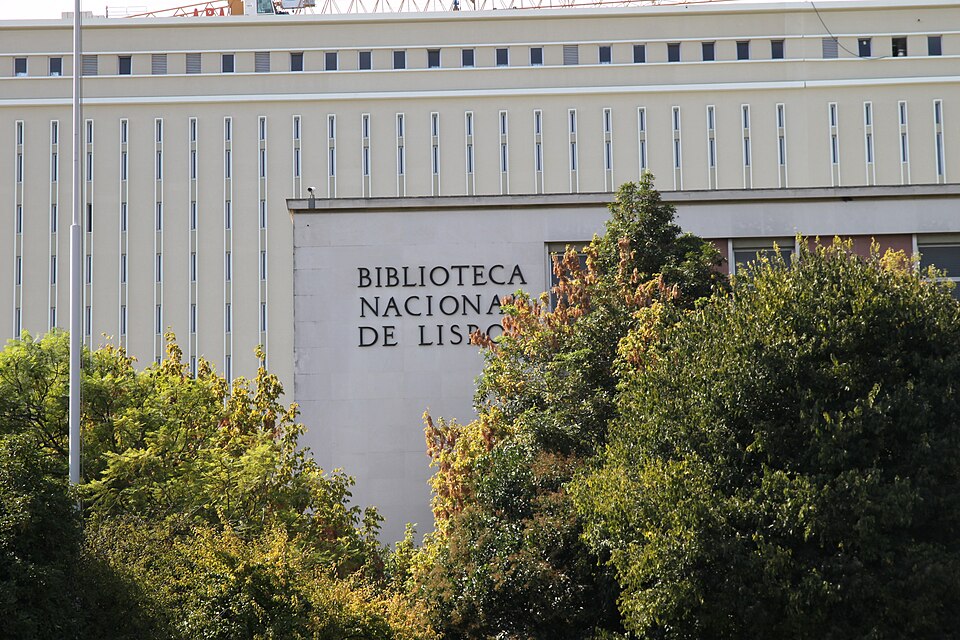
The National Library of Portugal, located in Lisbon, is the country’s largest library and the primary guardian of its bibliographic heritage. Founded on February 29, 1796, as the Royal Public Library of the Court, its initial purpose was to grant the public access to royal collections, breaking the tradition of restricting such treasures to scholars. Following the Liberal victory and the abolition of religious orders in 1834, the institution was renamed the National Library of Lisbon and inherited vast monastic collections. To accommodate this massive expansion, it relocated to the Convento de São Francisco. In 1969, the library moved into its current purpose-built facility in the Campo Grande area, designed by architect Porfírio Pardal Monteiro. It was officially renamed the Biblioteca Nacional de Portugal in 2007. Today, the BNP is responsible for collecting, processing, and preserving Portugal's documentary heritage through the legal deposit system, which mandates that a copy of every published work in the country be submitted to the library. Its extensive holdings include a General Collection of over three million items ranging from the 16th to the 21st centuries, rare manuscripts dating back to the 11th century, unique cartographic items, iconographic materials, and music scores. The library operates the National Bibliographic Database (PORBASE) and features the National Digital Library (BND) to make its vast collections globally accessible online. It also provides specialized resources like the Accessible Reading Service, ensuring equitable access for visually impaired individuals.