Chinese Rites
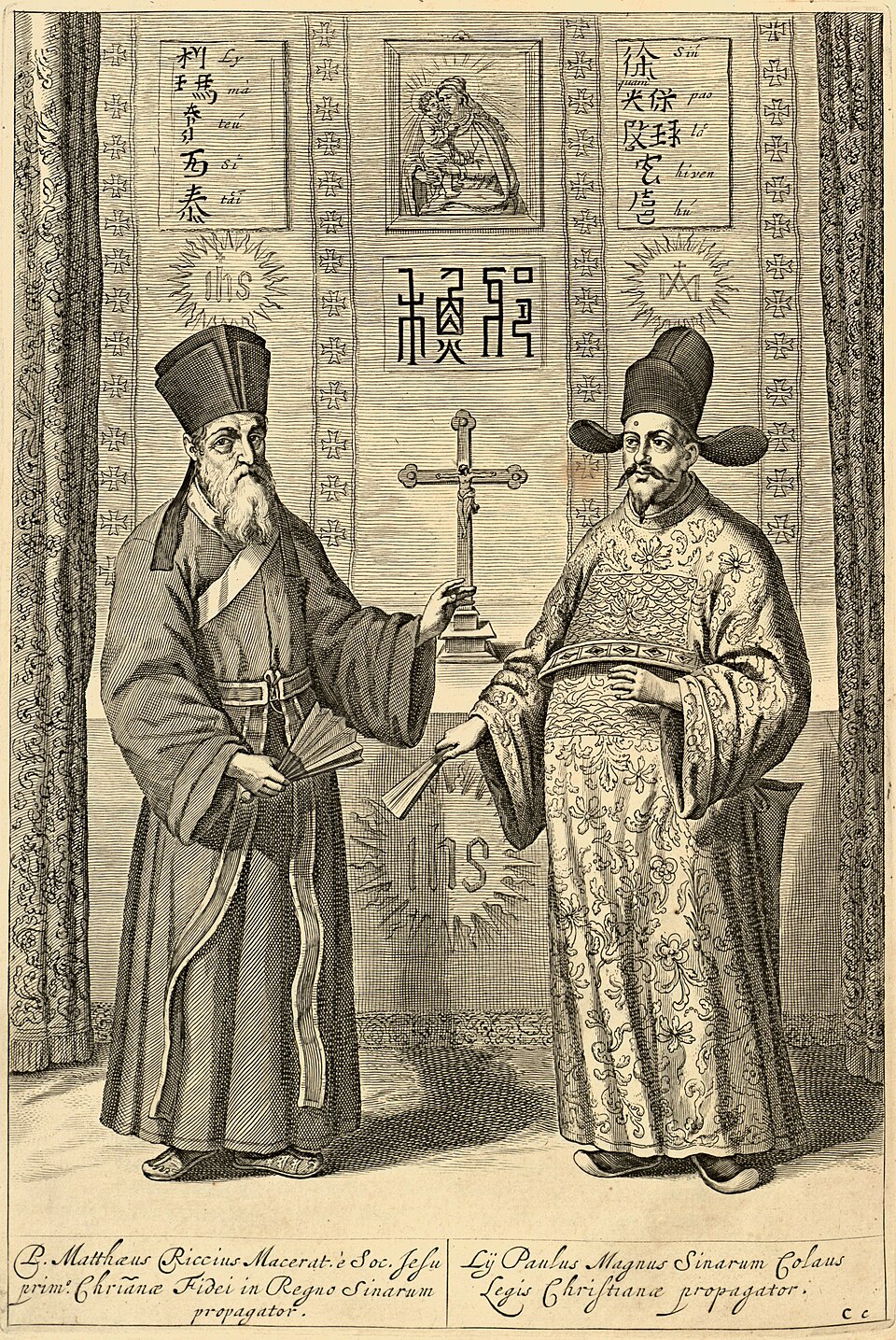
The Chinese Rites Controversy was a major theological and political dispute within the Catholic Church during the 17th and 18th centuries concerning whether traditional Chinese customs—specifically ancestor veneration and rites honoring Confucius—were compatible with Catholic doctrine.
The debate centered on differing missionary strategies. Italian Jesuit Matteo Ricci pioneered an approach of "cultural accommodation," arguing that traditional rites were civil, social, and philosophical practices driven by filial piety rather than religious worship. Ricci permitted Chinese converts to continue these traditions and allowed native terms like Shangdi ("Lord Above") to describe the Christian God.
Conversely, newly arrived Dominican and Franciscan orders viewed these rites as idolatrous and superstitious, warning that accommodation diluted Catholic orthodoxy. They appealed the matter to Rome. The issue grew into an international controversy involving several popes, European universities, and the Qing dynasty's Kangxi Emperor, who considered the Papal stance an encroachment on imperial authority.
The dispute culminated in 1704 when Pope Clement XI banned Catholics from practicing the rites, a prohibition reaffirmed by Pope Benedict XIV in 1742. In response, the Kangxi Emperor banned Christian missions, leading to the decline of Catholic influence in China.
The Holy See eventually reversed its position in 1939, recognizing ancestral rites as civil expressions. Today, academic scholars study the controversy as a landmark case in global history, illustrating the tensions surrounding cultural adaptation (inculturation), religious translation, and early modern encounters between East Asia and Europe.