Arquivos Nacionais da Torre do Tombo
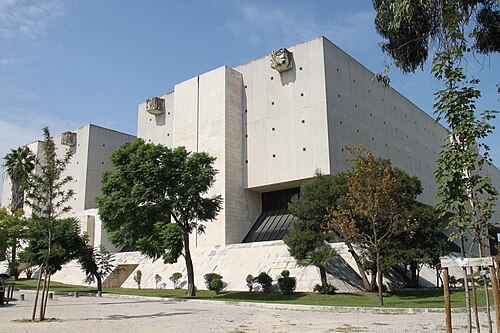
The Portuguese National Archives, Torre do Tombo, in Lisbon stands as one of the oldest and most significant archival institutions in the world. Established around 1378 and originally housed in a tower of the Castle of São Jorge, the archive now resides in a modern, purpose-built facility at the University of Lisbon. As Portugal’s central historical repository, it safeguards over twelve centuries of history spanning from the 9th century to the modern day. Its vast collections encompass royal decrees, inquisitorial trials, state administrative records, and world-renowned manuscripts registered under UNESCO’s Memory of the World program.
Beyond its national scope, Torre do Tombo holds an indispensable treasure trove of primary sources documenting Portugal's maritime expansion, the diplomatic reach of the Estado da Índia, and Catholic missionary efforts under the Portuguese Padroado (Royal Patronage) across Asia. Central to this global legacy is Macau, which served as a crucial trade and religious gateway for the Far East. The archive houses the celebrated Chapas Sínicas collection, consisting of thousands of Qing Dynasty official documents and correspondence exchanged between Chinese and Macanese authorities. Alongside these municipal records lie the extensive archives of religious orders, most notably the Cartório Jesuítico, filled with letters, dispatches, and reports written by Jesuit missionaries in China, Japan, and India. Together with royal directives and viceregal dispatches from the Corpo Cronológico, these documents offer an unprecedented, firsthand narrative of early modern East-West cultural encounters, religious missions, and regional trade networks.